
Born in the sweltering summer of 1973 in the recreation room of 1520 Sedgwick Avenue, hip-hop was never merely a genre of music. It was a survival tactic, a megaphone, and a kinetic heartbeat for marginalized youth in the South Bronx. Fast forward over half a century, and that same heartbeat now dictates the rhythm of the global mainstream. From Parisian haute couture runways and Silicon Valley boardrooms to global political campaigns and the daily lexicon of millions, hip-hop is no longer just a subculture—it is the prevailing culture of the 21st century.
The ascent of hip-hop from an underground neighborhood phenomenon to a multibillion-dollar global monolith is an unprecedented cultural triumph. To understand this impact is to examine the relentless innovation of its architects: the beat-makers who redefined the sonic landscape and the lyrical artists who captured the zeitgeist of a generation.
The Sonic Evolution: Beat-Makers as Modern Maestros
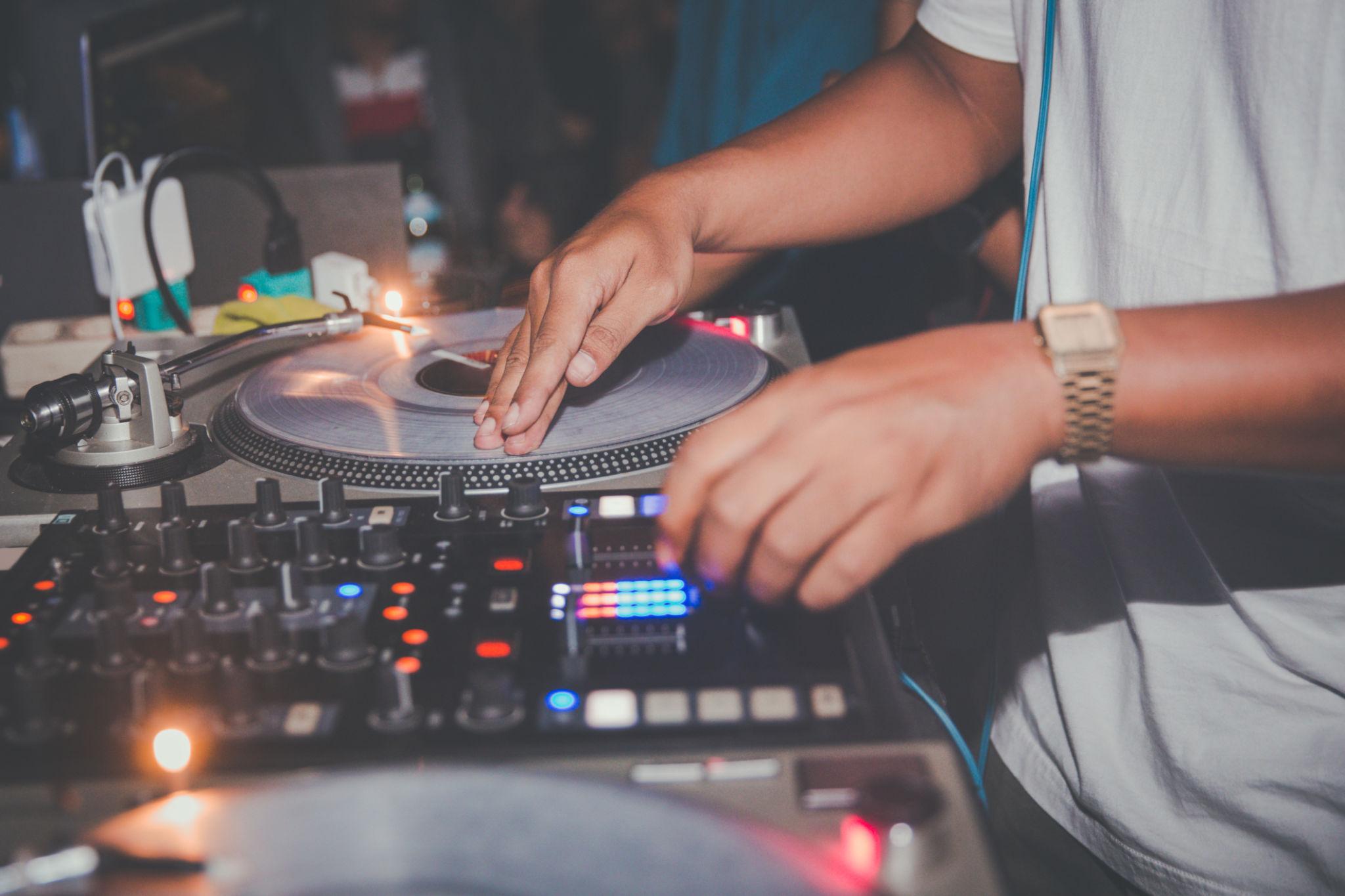
If the MC is the voice of hip-hop, the producer is its central nervous system. The evolution of beat-making is a testament to technological ingenuity born from necessity. Early pioneers like DJ Kool Herc and Grandmaster Flash manipulated dual turntables to loop the “break”—the drum-heavy portion of funk and soul records—creating a continuous groove for dancers. This analog alchemy laid the foundation for the golden age of sampling.
As technology advanced, so did the complexity of the sound. The introduction of samplers like the Akai MPC allowed visionaries like J Dilla, RZA, and DJ Premier to chop, pitch, and reassemble obscure jazz and soul records into entirely new, polyrhythmic compositions. They weren’t just playing instruments; they were playing the recording studio itself.
Today, the landscape has shifted from hardware to the limitless possibilities of Digital Audio Workstations (DAWs) like FL Studio and Ableton. This democratization of music production has given rise to the modern super-producer.
| Era | Dominant Technology | Sonic Hallmark | Key Architects |
| 1970s–80s | Turntables, Roland TR-808 | Breakbeats, electro-funk bounce | DJ Kool Herc, Afrika Bambaataa |
| 1990s–00s | Akai MPC, E-mu SP-1200 | Sample-heavy, boom-bap, dusty loops | J Dilla, RZA, Dr. Dre |
| 2010s–Present | DAWs (FL Studio), VSTs | Trap hi-hats, sub-bass, atmospheric synths | Metro Boomin, Mike Dean, Lex Luger |
Modern beat-makers like Metro Boomin, Tay Keith, and Noah “40” Shebib have pushed the genre into atmospheric, bass-heavy territories. The ubiquitous “trap” sound—characterized by rapid-fire hi-hats, booming 808 sub-basses, and stark, cinematic synthesizers—has transcended hip-hop to become the foundational architecture of modern pop, R&B, and even country music. The beat-maker is no longer a background figure; they are marquee artists, dictating global trends and carrying as much cultural weight as the vocalists they record.
Furthermore, the globalization of hip-hop has created a feedback loop of sonic innovation. The UK drill scene, characterized by its sliding 808s and syncopated, off-kilter percussion, has bounced back across the Atlantic to influence New York and Chicago rap. Meanwhile, the explosive rise of Latin trap and reggaeton blends traditional Caribbean dembow rhythms with southern hip-hop sensibilities, resulting in some of the most streamed music on the planet. The beat-maker is now a global citizen, pulling influences from a worldwide repository of sound.
Lyrical Shifts: The Pen and the Pulse of a Generation
While the production provides the body, the lyricism provides the soul. The lyrical evolution of hip-hop mirrors the socio-economic shifts of the past fifty years. What began primarily as party-rocking braggadocio evolved rapidly with tracks like Grandmaster Flash and the Furious Five’s “The Message,” which introduced stark social commentary to the dance floor.
In the modern era, the archetype of the MC has splintered into a diverse array of distinct voices, each serving a different facet of the human experience.
- The Pulitzer-Winning Prophets: Artists like Kendrick Lamar and J. Cole have elevated the rap verse to high literature. Lamar’s historical Pulitzer Prize for Music for his album DAMN. Shattered the glass ceiling of institutional recognition. Their work tackles systemic racism, generational trauma, and existential dread with dense, novelistic precision.
- The Vulnerable Confessionals: The stoic, hyper-masculine facade of early hip-hop has been deconstructed by a wave of artists embracing profound emotional vulnerability. Pioneered by figures like Kid Cudi and Kanye West (particularly with 808s & Heartbreak), and carried forward by artists like Drake, Mac Miller, and Juice WRLD, modern hip-hop frequently explores mental health, depression, and heartbreak, offering a cathartic outlet for millions of listeners.
- The Architects of Vibe: Conversely, the rise of modern melodic trap emphasizes cadence, flow, and infectious energy over traditional storytelling. Artists like Future, Young Thug, and Playboi Carti use their voices as instruments, prioritizing phonetic resonance and mood-building to create hypnotic, club-rattling anthems.
- The Queens of the Culture: The past decade has also seen a seismic, overdue shift in the prominence of women in hip-hop. For years, the genre was criticized for its male-centric viewpoints and marginalization of female voices. Today, artists like Nicki Minaj, Cardi B, and Megan Thee Stallion dominate the charts and the cultural conversation. They have reclaimed their agency, using razor-sharp lyricism to dismantle double standards and celebrate female empowerment, sexual liberation, and financial independence. Their dominance is a necessary correction and a driving force in modern rap’s evolution.
These lyrical artists are not just reflecting our generation; they are actively shaping its worldview. They are the modern journalists, poets, and philosophers, chronicling the triumphs and tragedies of life with unfiltered authenticity.
Beyond the Studio: Fashion, Language, and Boardrooms
To measure hip-hop’s impact solely in musical terms is to miss the forest for the trees. The genre’s aesthetic has completely overwritten the DNA of global fashion and commerce. The journey from Run-D.M.C. demanding Adidas endorsement deals in the 1980s to Pharrell Williams being appointed the Men’s Creative Director of Louis Vuitton illustrates a total paradigm shift. Streetwear—sneakers, oversized silhouettes, graphic tees—has conquered high fashion, proving that luxury is now dictated from the streets up, not the runway down.
Linguistically, hip-hop is the most potent engine of the English language. Slang generated in regional rap scenes—from Atlanta’s trap houses to London’s grime estates—travels at the speed of the internet, rapidly integrating into the Oxford English Dictionary and the daily vocabulary of global youth. Terms of approval, expressions of disbelief, and entirely new syntactic structures owe their global ubiquity to rap lyrics.
Economically, modern hip-hop artists have rewritten the rules of the music business. Moving past the exploitative record deals of the 20th century, today’s moguls prioritize ownership, equity, and brand synergy. Jay-Z, Dr. Dre, and Diddy built billion-dollar empires not just by selling records, but by leveraging their cultural cachet to conquer spirits, streaming platforms, and consumer electronics. They transformed the artist from an employee of the label into the CEO of a multinational corporation.
The Soundtrack of Resistance
Crucially, hip-hop remains a powerful vehicle for activism and political mobilization. During the global Black Lives Matter protests, Kendrick Lamar’s “Alright” became an unofficial anthem, a rallying cry chanted in streets worldwide. The genre forces society to confront uncomfortable truths about police brutality, economic inequality, and institutional failures. It gives a voice to the voiceless, ensuring that the struggles of marginalized communities are broadcast on a global frequency and demanding accountability from those in power.
Conclusion: An Unfinished Symphony
As hip-hop crosses the half-century mark, it shows no signs of stagnation. It continues to absorb and mutate, cross-pollinating with Afrobeats, reggaeton, electronic dance music, and alternative rock to create entirely new global subgenres. The beat-makers continue to push the absolute limits of sound design, while lyrical artists find novel, poignant ways to dissect the modern human condition.
Hip-hop’s impact on modern culture is absolute. It has fundamentally altered how we speak, how we dress, how we protest, and how we understand the world. It proved that a culture born from nothing could eventually encompass, define, and elevate everything. As long as there are stories to tell and a rhythm to anchor them, the forces behind hip-hop will remain the undeniable architects of the future.



Leave a Reply