

Media in the modern globalized world is far more than a news or entertainment source. It is a strong social power that determines the way individuals think, act, interact, and associate with each other. Media is present in our lives since the moment we awake until the moment we sleep, affecting perceptions, enforcing norms, and linking societies across borders.
Although the media environment is ever-changing due to the advancement in technology, its impact on society exhibits definitive patterns supported by facts, practical scenarios, and cultural trends.
Media Shaping the Society
Media Consumption Is Bigger Than Ever
1. A Global Media Ecosystem
The level of media consumption is astonishing today. Global digital usage reports indicate that the average daily digital media consumption exceeds 7 hours, inclusive of social media, video, news, and online interaction, and that there is consistently increasing annual growth.

This does not imply that every individual, on average, spends more than half of their day in the wake state of existence, but it is the content of the media that influences us all, not only in terms of entertainment but also in terms of the information we receive and pass across.
2. People Are Increasingly Connected
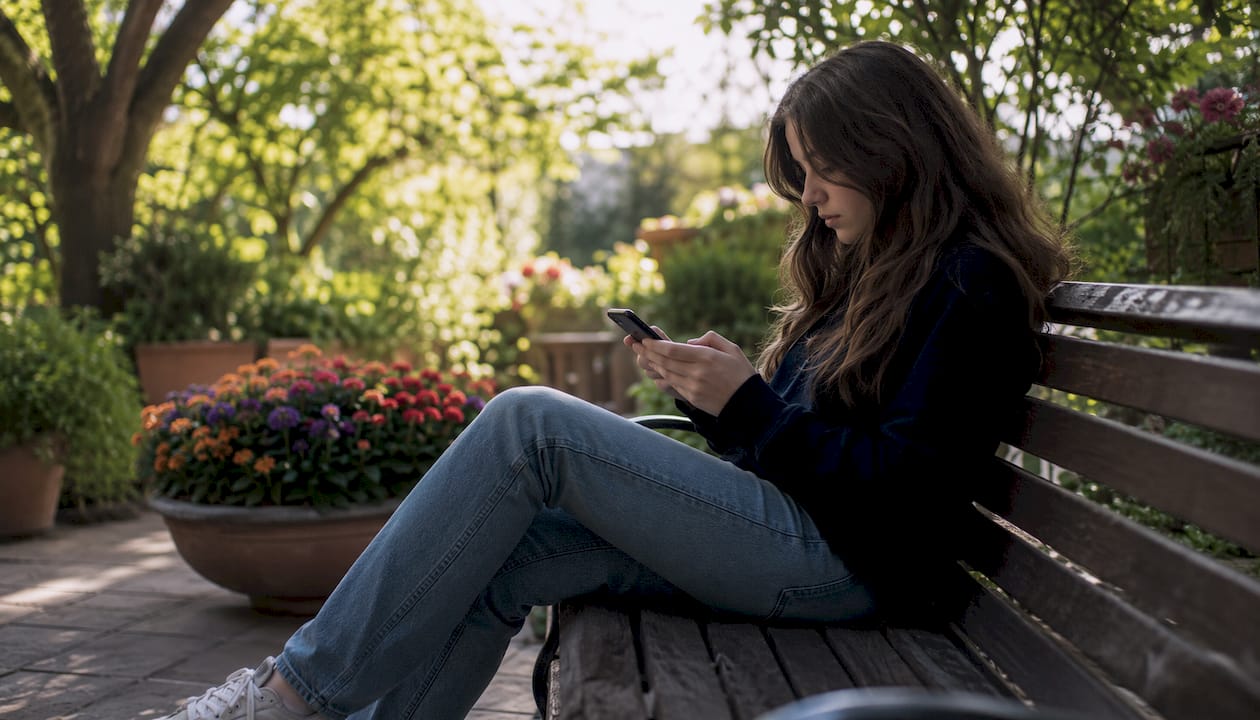
The number of internet users is 5.56 billion, and this is approximately 68 percent of the world population. The dominant part of this use is now made up of smartphones, which have become the door to the media world. This popularity highlights the pervasiveness of the media and its possible impact on culture, norms, behaviours, and even values.
Media as Social Glue and Social Lens
1. Media Creates Shared Experiences
Previously, a community used to share a common culture either in the form of local events, family get-togethers, or in national broadcasts. Media, particularly digital, now generate common cultural reference points that traverse continents.
For instance, it would not be wrong to say that music releases, television series, viral videos, and memes can become a trend across nations and provide millions of individuals with shared experiences that form a collective memory.
2. Framing How We See the World
The media does not simply inform us, but it also influences the way we think about what is happening. Media studies point out the impact of the presentation of information on beliefs, attitudes, and behaviour in the long run. Repeating the exposure to some narratives or images is a fundamental process of cultural influence.
This implies that the media is not only useful in disseminating information, but also in locating norms and expectations in society.
Shifts in News and Information Consumption
1. Social Platforms as News Sources

People no longer get information through traditional sources such as newspapers and linear TV only. The newly advanced audience now picks up their phones to check daily news updates. Video and social feeds have been taking over, with younger generations preferring short-form video over longer content. The formerly perceived platforms as because of their entertainment nature, are turning out to be major sources of information.
2. How This Changes the Media Ecosystem
This change not only alters the information sources of people but also their information processing. Algorithms, personalized feeds, and short videos are all about engagement, which can dictate the length of attention, the types of content that go viral, and the cultural narrative that becomes prominent.
Examples of Media Impact on Everyday Life
1. Digital Content Influencing Behavior

Surprisingly, the media can shape day-to-day conduct. An example is that even consumer behaviour in restaurants and food culture has been influenced by viral trends on video platforms, with some menu items becoming viral outside of their home countries, drawing decisions that impact across industries and societies. For example, the Kingdom of Saudi Arabia has become a main center of coffee shops, especially for Gen ZZ and Gen Alpha, trying viral coffee brands and types, particularly matcha, under the influence of viral TikTok or Instagram videos.
2. Creators vs. Traditional Media
Video creators and social influencers working on digital media can now create economic value on the same level as traditional media entities. It is reported that the amount of advertising money that social media creators get is predicted to exceed that of traditional media in the near future, which indicates a cultural production and consumption change.
This is indicative of a larger shift in which personalized and user-created content has become a focal point in the way society communicates and also the way society views the world. Once TV shows like Hannah Montana or cartoons that were a major part of childhood no longer exist in the life of today’s generation, rather, younger ones are more into Netflix shows, isolating themselves in a room to enjoy the rollercoaster ride of series or drama,s or movies on their phones and laptops.
Conclusion: Media — A Mirror and a Map
The media is a mirror of society, and society is actively molded by it. It ties individuals to each other beyond boundaries, as well as has an effect on individual behavior, culture, and perception. With the current development of the media, its role in the process of the way people perceive the world is being changed. The awareness of the power of media, as it is reflected in the consumption rates across the world and digital content trends, assists society in making sense of the current and anticipating the future. Media literacy is not merely a skill in a world that is increasingly motivated by digital stories, but it is also a need.



Leave a Reply