

Social media has revolutionized the way society sanctions norms and cycles, people. Once it was delivered via traditional media and public debate, now it is delivered at a lightning pace via digital platforms. This change has created cancel culture in the algorithmic era – outrage spreads more quickly, goes further, and can cause irreversible and irreparable damage to one’s reputation before the facts are known. This article examines the ways in which recommendation algorithms have created the current state of cancel culture and have helped to exacerbate divisions in American society.
The Evolution of Cancel Culture in the Algorithm Era
The cancel culture is not a new phenomenon. Shaming and ostracizing of people have been around since the beginning of time. But the cancellation culture is different in the algorithm era. Gone are the traditional gatekeepers, and the whole thing has happened very quickly on a digital platform. Once a tweet or video gets going, it can garner a flood of negative comments in a matter of hours, sometimes even before there’s any background.
In the United States, this new reality is routinely shown in high-profile cases. Celebrities, politicians, and the general public are all suddenly in the national spotlight, often without being able to make a well-informed contribution. These cancellations are happening at a fast pace and scale that demonstrates the influence of today’s algorithmic systems.
How Algorithms Amplify Outrage
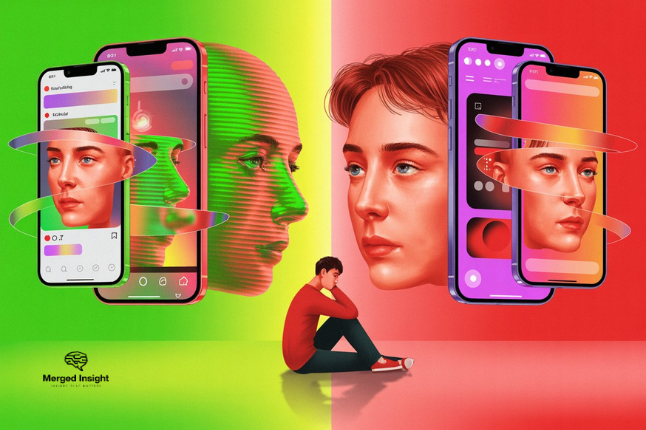
Developers design social media websites to engage users as much as possible. The content that elicits intense emotions, especially anger and moral outrage, tends to do better. That means there’s not much of a choice when the algorithm’s the thing and posts about cancel culture are getting priority.
By liking, sharing, or commenting on content, users are telling the platform that they are angry, triggering the recommendation algorithm to deliver more of the same to more users who have similar behaviors. This can lead to feedback loops. This can result in cascades of emotionally charged content moving fast on networks. Sometimes, people lose nuance and context when they further circulate simple, emotionally striking versions.
Research on the social media habits of Americans has repeatedly found that when it comes to posting content, those who post messages of moral outrage tend to get more responses than those who are neutral or positive. Platforms have created their business models around this reality, and algorithmic amplification of cancel culture is predictable and profitable.
The Speed and Scale of Digital Cancellations
In the algorithmic era, one of the hallmarks of cancel culture is speed. Time for investigation and reflection was provided through traditional media cycles. A controversial statement can cause calls for cancellation before the end of the day these days. Within 24-48 hours, employment repercussions, boycotts of brands, and social exile may follow.
This huge rush of time provides little opportunity for due process or context. Numerous Americans have said that the climate stifles free speech and deters open discussion on key and sensitive issues. People’s awareness of being cancelled affects their willingness to say things online or offline.
Impact on American Public Discourse
Cancel culture has been one of the factors leading to the polarization of the political and cultural landscape in the age of algorithms. Outraged rhetoric and moral posturing gain their own currency when the platforms are willing to pay for them. Reasonable debate is more challenging when platforms pay for outraged rhetoric and moral posturing. Individuals tend to gravitate toward ideology-based groups, and they see differing opinions as personal flaws rather than opposing views.
This dynamic has an impact on workplaces, universities, and communities throughout the U.S. Self-censorship has become more common as individuals weigh the potential professional and social costs of expressing unpopular opinions. The result is a public square that often feels more fragmented and less capable of productive dialogue.
Psychological and Social Consequences
Uncertainty and fear of cancellation are widespread among Americans. An overwhelming number of Americans say they constantly feel pressured to watch what they say and keep their opinions under control. This can result in low psychological safety and self-expression.
Cancellation can devastate those it affects. Oftentimes, the financial hardship, damage to family relationships, and psychological toll that occur follow. Although later this is found to have been due to incomplete information, it is very difficult to restore reputation in the digital age.
Platform Responsibility in the Algorithm Era
The tech industry is gaining more heat for the influence it has on the new era of cancel culture. Platforms have a business model based on division, and they’re not doing much to prevent the problems stemming from their recommendation systems in the real world, critics say. Defenders argue that platforms should be neutral and not be judges of truth and morality.
Washington and the American public debate algorithmic accountability, transparency requirements, and possible rules. The challenge of identifying the ‘right balance’ between combating ‘harmful content’ and supporting freedom of speech is a complex one, and there are no easy solutions. What’s fueling the discussion of cancel culture is the conflict between holding people accountable and preventing mob justice. As algorithms continue to evolve, so too will the dynamics of public shaming and social enforcement in the United States.

Leave a Reply