
By mid-2026, Philadelphia finds itself at the bleeding edge of a bizarre and brutal public health paradox. On paper, the city is celebrating a monumental victory: fatal drug overdoses are plummeting. After years of catastrophic surges driven by the fentanyl wave, Philadelphia’s annual overdose death toll—which previously hovered around 1,400—fell to 1,045 in 2024 and is pacing to drop well below 1,000 for the first time since 2016.
But walk down Kensington Avenue, the historical epicenter of the American drug crisis, and the reality on the asphalt tells a much darker, far more complex story. The death rate may be dropping, but the morbidity rate—the sheer physical and psychological destruction of the surviving population—has reached unprecedented levels. The street drug supply has mutated beyond recognition, leaving a trail of extreme addiction, severe flesh wounds, and hospital intensive care units pushed to the absolute brink.
This is no longer just an opioid epidemic. It is a synthetic chemical crucible.
The Rise of the Apex Sedatives: From “Tranq” to “Rhino Tranq”
To understand the crisis in 2026, you must understand the ruthless economics of the illicit drug trade. Cartels and local distributors continually seek cheaper, more potent, and unregulated synthetic cutting agents to stretch their product and maximize profit margins.
For years, fentanyl was the undisputed kingmaker, completely replacing plant-based heroin. Then came xylazine (“tranq”), a cheap veterinary muscle relaxant that extended the fleeting fentanyl high but ravaged users with necrotic, bone-exposing skin ulcers. In May 2024, Pennsylvania officially banned xylazine, moving it to a Schedule III controlled substance.
The illicit market’s response was swift, merciless, and terrifying. Enter medetomidine.
Known on the streets as “rhino tranq,” medetomidine is a potent synthetic veterinary sedative estimated to be 200 times more powerful than xylazine. First detected in the Philadelphia supply in mid-2024, it has now entrenched itself as a foundational ingredient in the city’s drug economy.
| Drug | Origin / Intended Use | Potency / Danger Profile | Primary Street Impact |
| Fentanyl | Synthetic Opioid (Human Anesthesia) | 50x stronger than heroin. | High fatal overdose risk; extreme respiratory depression. |
| Xylazine | Veterinary Sedative (Large Animals) | Non-opioid; not reversed by Narcan. | Severe necrotic skin ulcers leading to amputations. |
| Medetomidine | Veterinary Sedative (Exotic/Large Animals) | 200x more potent than xylazine. | Catastrophic withdrawal symptoms; extreme bradycardia (slow heart rate). |
| Cychlorphine | Synthetic Opioid | Up to 10x stronger than fentanyl. | The newest emerging cutting agent; highly lethal. |
The physiological impact of medetomidine is staggering. It causes profound sedation, plunging a user’s heart rate into the 20s or 30s. But the true horror lies in its withdrawal syndrome. When a user comes down from medetomidine, their central nervous system rebounds with violent hyperactivity—extreme agitation, soaring blood pressure, severe hallucinations, and panic.
“Twenty-five percent of all of our ICUs are occupied by patients in withdrawal some months.”
— Dr. Jeanmarie Perrone, Penn Presbyterian Medical Center
Because tolerance to medetomidine builds at warp speed, users find themselves trapped in an agonizing cycle, consuming up to 50 “stamps” (small bags of drugs) a day just to stave off the violent detox. Traditional state treatment programs, designed primarily for opioid use disorder, are largely unequipped to handle this level of complex synthetic sedative withdrawal.
The Kensington Crackdown: A Shift in Strategy
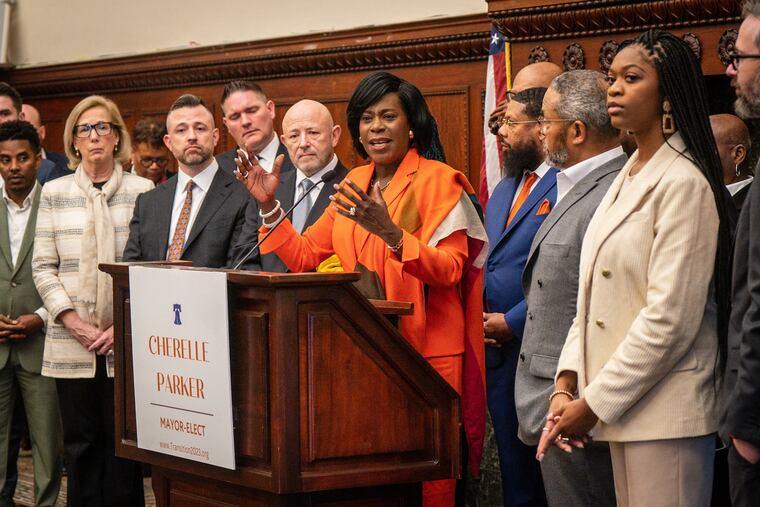
For over a decade, Kensington operated as a de facto containment zone—an open-air drug market where millions of dollars changed hands daily in plain sight. But the political calculus shifted radically under Mayor Cherelle Parker’s administration, which launched the aggressive Kensington Community Revival Plan.
The strategy represents a controversial pivot from pure harm reduction to heavy enforcement, aiming to disrupt the normalization of the narcotics trade. The deployment of new police academy graduates and dedicated narcotics enforcement units has dramatically altered the neighborhood’s ecosystem.
The city’s internal metrics from recent crackdowns reveal the scale of the enforcement surge:
- Drug Buyer Arrests: Up 112% in the 24th Police District.
- Drug Seller Arrests: Up 60% in the same district.
- Overall Narcotics Enforcement: An aggregate 98% increase in buyer arrests across the 24th, 25th, and 26th districts compared to previous years.
Enforcement without an off-ramp, however, is merely displacement. To bridge the gap, the city implemented the $5.5 million Kensington Neighborhood Wellness Court, a same-day diversion pilot program designed to push arrested drug users directly into treatment rather than standard incarceration. Additionally, twice-monthly Wellness Resource Fairs now bring together dozens of providers offering wound care, shelter placements, and immediate behavioral health beds.
Yet, critics and local activists argue that the crackdown is deeply flawed. Reports of mobile harm reduction units being restricted and programs offering homeless individuals one-way bus tickets out of the city have sparked fierce debate. The core tension remains: can you arrest your way out of a chemical dependency crisis when the chemicals themselves have completely outpaced existing treatment protocols?
The Supply Pipeline and the Multi-Million Dollar Takedown
While street-level buyers are swept up in Kensington, the upstream supply chain continues to pump massive quantities of synthetic death into the region. The drugs arrive primarily via sophisticated trafficking networks that utilize Northeast Philadelphia as a major staging and packaging hub.
In May 2026, Pennsylvania Attorney General Dave Sunday, coordinating with federal and local law enforcement, dismantled an upper-level fentanyl trafficking ring operating out of residential homes on Wellington and Montague Streets. The raid offered a chilling glimpse into the industrial scale of Philadelphia’s drug economy.
The May 2026 Bust by the Numbers:
- 5 Kilograms: Total bulk fentanyl seized.
- $2 Million: The estimated street value of the confiscated drugs.
- 100,000 Packets: Pre-packaged fentanyl doses ready for immediate street sale.
- 100+ Unique Stamps: Branding irons used by cartels to market different drug batches to users.
Each of those 100,000 packets possessed the potency to end a life. But more concerning to toxicologists is what else might have been mixed in. Labs like the Center for Forensic Science Research and Education in nearby Horsham are operating as an early warning system. Less than five months into 2026, they had already identified 23 new illicit drugs in the supply—nearly matching the total for all of the previous year.
The Harm Reduction Battlefield
At the exact moment the drug supply is becoming exponentially more dangerous, the political will to fund harm reduction is fracturing.
In early 2026, the federal landscape shifted significantly when the Trump administration notified federal grant recipients that it would cease funding for test strips and clean syringe programs, citing a desire to move away from services that “facilitate illicit drug use.”
This policy pivot places an immense burden on local organizations like Prevention Point Philadelphia (PPP), the city’s oldest and largest public health and social services hub. Operating in the eye of the storm, PPP’s 2025 impact data highlights the sheer volume of intervention required to keep the city’s marginalized populations alive:
- Narcan Distribution: 113,571 free doses distributed in a single year, paired with training for nearly 1,400 individuals to reverse overdoses.
- Testing Supplies: Over 46,000 test strips handed out, allowing users to check their supply for fentanyl, xylazine, benzodiazepines, and medetomidine.
- Wound Care: 673 dedicated clinical visits to treat the horrific skin ulcers caused by caustic cutting agents.
Despite the political headwinds, PPP is finding profound success in clinical innovation. Their Medication for Opioid Use Disorder (MOUD) program saw a 24% spike in patient volume. More importantly, they administered 946 long-acting injections of drugs like Sublocade and Brixadi. This once-a-month injection model is proving revolutionary. It untethers people from the daily grind of seeking illicit opioids or visiting daily methadone clinics, allowing them to stabilize their brain chemistry and begin rebuilding their lives.
The Survival Paradox
Why are overdose deaths actually going down amidst this apocalyptic landscape?
Public health experts point to a convergence of factors. First, the absolute saturation of the city with naloxone (Narcan) means that an uncountable number of fatal overdoses are reversed on the sidewalks every single day. Second, the widespread expansion of buprenorphine and long-acting MOUD injections is successfully shielding thousands of people from the illicit supply.
Tragically, there is also a demographic reality: the most vulnerable individuals from the initial fentanyl wave have already passed away. The surviving population possesses an incredibly high tolerance, forged in the fires of xylazine and medetomidine.
Furthermore, the very nature of medetomidine—a sedative rather than a respiratory depressant—means it doesn’t stop the lungs the way fentanyl does. It simply knocks the user completely unconscious for hours, leaving them vulnerable to exposure, robbery, and deep-tissue wounds, but not immediately dead from asphyxiation.
The Road Ahead
Philadelphia stands at a critical juncture. The city has proven that aggressive Narcan distribution and modern medical treatments can stem the tide of total fatalities. Yet, the underlying machinery of the crisis remains unbroken.
The cartels are innovating faster than the legal and medical systems can respond. As soon as medetomidine is fully regulated or suppressed, the next alphabet soup of synthetic chemicals—be it cychlorphine or an entirely new class of designer tranquilizers—will flood the vacuum.
Mayor Parker’s enforcement surge in Kensington has undeniably disrupted the visual footprint of the open-air market, making life marginally safer for residents who have endured decades of systemic neglect. But as the drug supply continues to mutate, driving users into extreme medical emergencies and violent withdrawals, the battle is quietly shifting from the street corners of Kensington Avenue into the emergency rooms and intensive care units across the city.
The chemical crucible of Philadelphia is no longer just about preventing death. It is about figuring out how to treat, manage, and ultimately heal a population that is surviving the most toxic and rapidly changing drug supply in modern human history. The next chapter of this epidemic won’t be measured solely in body bags, but in the grueling, complex fight to reclaim human dignity from the grip of synthetic chemistry.




Leave a Reply