

As we stand in May 2026, the geopolitical landscape of Palestine remains fundamentally fractured by the events that began on October 7, 2023. What initiated as an unprecedented attack by Hamas and a subsequent massive military retaliation by Israel has morphed into one of the most severe, protracted humanitarian catastrophes of the 21st century. The war has reshaped alliances, paralyzed international diplomatic bodies, and deeply scarred the regional psyche. However, nowhere is the impact more visceral, immediate, and devastating than in the Palestinian territories.
For Palestinians in Gaza and the West Bank, the war did not end with temporary ceasefires or the gradual shifting of Israeli military objectives; instead, it settled into a permanent reality of displacement, systemic poverty, and profound grief. This article examines the deep, multifaceted impact the conflict has had on the Palestinian people, focusing on the staggering human cost, the obliteration of infrastructure, and the systemic collapse of their society.
1. The Human Cost: A Demographic Catastrophe
The most glaring and tragic metric of the Israel-Palestine war is the death toll. While exact, independently verifiable figures remain difficult to ascertain due to the collapse of local administrative bodies and the chaos of post-conflict zones, the scale of human loss is unprecedented in the region’s history.
By mid-2026, conservative estimates from international health and human rights organizations suggest the direct and indirect death toll in Gaza has far surpassed the grim milestones projected in the early months of the war.
- Direct Casualties: The fatalities attributed directly to military strikes, urban combat, and structural collapses are staggering. Entire family lines have been erased from civil registries.
- The Demographic Disproportion: The nature of the urban warfare in one of the most densely populated areas on Earth meant that the civilian casualty rate was exceptionally high. Women and minors consistently accounted for a vast majority of the documented casualties, creating a demographic void that will impact Palestinian society for generations.
- The “Indirect” Death Toll: Perhaps the most insidious aspect of the prolonged conflict has been the indirect deaths. These are fatalities caused not by munitions, but by the collapse of the medical system, rampant malnutrition, and the spread of waterborne and communicable diseases in overcrowded, unsanitary displacement camps.
“We are no longer just counting those killed by the kinetic operations of war; we are counting those dying slowly from the absence of the basic prerequisites for human life—water, medicine, and adequate caloric intake.”
— World Health Organization (WHO) Field Report, Early 2026
Furthermore, thousands remain classified as missing, presumed entombed beneath millions of tons of concrete rubble that still choke the streets of Gaza City, Khan Younis, and Rafah.
2. The Geography of Ruin: Infrastructure and the Displacement Crisis
The physical landscape of the Gaza Strip has been fundamentally altered. The intensity of the bombardment, utilizing heavy munitions in highly urbanized environments, resulted in the systematic leveling of entire neighborhoods.
The concept of “home” has been violently redefined for over two million people.
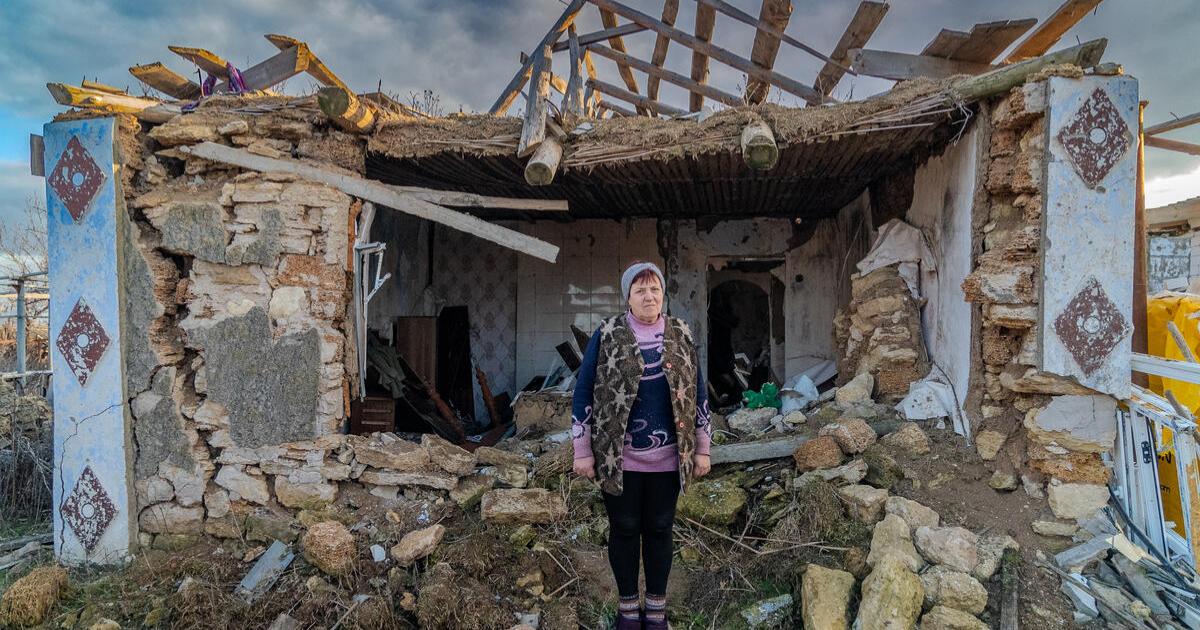
- Housing and Shelter: By 2026, the vast majority of Gaza’s residential buildings will have been destroyed or rendered uninhabitable. The “temporary” tent cities that sprang up in the winter of 2023–2024 have metastasized into semi-permanent slums. These sprawling encampments offer little protection from the elements and lack the most basic municipal services.
- Civil Infrastructure: The destruction extended far beyond housing. Schools, universities, bakeries, water desalination plants, and administrative buildings were heavily damaged or destroyed. The electrical grid is practically non-existent, reliant entirely on fragmented, localized solar initiatives and heavily rationed, smuggled diesel fuel.
- The Hazard of the Rubble: Reconstruction efforts in 2026 remain paralyzed not just by blockades and lack of funding, but by the physical danger of the terrain. The United Nations Mine Action Service (UNMAS) estimates that it will take over a dejust to clear the unexploded ordnance (UXO) hidden within the estimated 40 million tons of rubble. Until the ground is cleared, large-scale rebuilding is functionally impossible.
Table 1: Estimated Infrastructure Impact in Gaza (2023-2026)
| Sector | Estimated Damage Level | Impact on Civilian Population |
| Residential Housing | > 65% destroyed/uninhabitable | Massive, prolonged displacement; severe overcrowding in camps. |
| Healthcare Facilities | > 80% severely damaged or destroyed | Collapse of advanced and chronic medical care; reliance on field hospitals. |
| Educational Institutions | > 75% structurally compromised | Complete disruption of the educational system; loss of safe spaces for minors. |
| Water & Sanitation | > 90% of municipal capacity lost | Reliance on trucked water; high incidence of preventable diseases. |
3. The Collapse of the Ecosystem: Healthcare, Famine, and Disease
The systematic dismantling of Gaza’s healthcare infrastructure has created a public health emergency that continues to claim lives daily. In 2026, the medical ecosystem is best described as an amalgamation of triage centers and under-supplied field hospitals.
The treatment of chronic illnesses—such as cancer, diabetes, and kidney disease—has virtually ceased, functioning as a death sentence for thousands. The physical injuries sustained during the war have also left an indelible mark. There is a deeply unsettling prevalence of amputations, many performed under horrific conditions without adequate anesthesia or sterile equipment during the height of the conflict. The lack of post-operative care, physical therapy, and prosthetics means a significant portion of the population is newly and permanently disabled.
Compounding the medical crisis is severe food insecurity. While the apocalyptic famine predicted in 2024 was partially mitigated by international airdrops and a heavily scrutinized maritime corridor, the baseline nutritional intake remains dangerously low. Stunting and severe acute malnutrition among children born during or just before the war will have lifelong cognitive and physical ramifications.
4. The West Bank: The “Quiet” Front and Economic Decimation
While the global focus has predominantly remained on the ruins of Gaza, the impact on Palestinians living in the West Bank has been profound, marked by economic strangulation and surging violence.
Following the outbreak of the war, Israel imposed severe movement restrictions across the West Bank and revoked work permits for over 100,000 Palestinians who previously commuted to Israel for employment. This overnight loss of income caused the Palestinian Authority’s economy to enter a death spiral.
- Economic Contraction: By 2026, the poverty rate in the West Bank will have skyrocketed. Businesses have shuttered due to a lack of capital and mobility, and the Palestinian Authority struggles to pay the salaries of civil servants, teachers, and security personnel.
- Settler Violence and Military Raids: The shadow of the Gaza war provided cover for an aggressive expansion of Israeli settlements and a sharp increase in violence by radical settler groups against Palestinian agricultural communities. Concurrently, the Israeli military has maintained a tempo of nightly raids into West Bank cities and refugee camps—particularly in Jenin, Tulkarm, and Nablus—aimed at dismantling armed militant groups. These incursions frequently result in high Palestinian casualties, infrastructure damage, and mass arrests.
- Socio-Political Fragmentation: The inability of the Palestinian Authority (PA) to protect its citizens or offer a viable political horizon has led to widespread disillusionment. The PA’s legitimacy is at an all-time low, creating a volatile vacuum that younger, localized armed factions have stepped into.
5. The Psychological Chasm: Trauma and the “Lost Generation.”
The statistics of death and destruction, while vital, often fail to capture the unseen psychological toll of the conflict. The mental health crisis among Palestinians in 2026 is absolute and untreated.
Every resident of Gaza has experienced profound, repeated trauma: the loss of family members, the terror of bombardment, the indignity of displacement, and the constant, gnawing anxiety of survival. The concept of Post-Traumatic Stress Disorder (PTSD) is almost inadequate here, as the trauma is neither “post” nor a “disorder”—it is a continuous, rational response to an abnormal, unrelenting environment.
The youth are bearing the heaviest psychological burden. Children aged 10 and under have known virtually nothing but war, blockade, and deprivation. With schools closed or destroyed for nearly three consecutive years, an entire generation has been severed from formal education. This “lost generation” faces a future stripped of opportunity. The psychological void left by trauma, combined with the lack of economic or educational prospects, creates a deeply concerning environment. Historically, such conditions breed intense despair, which can easily be weaponized into radicalization and a perpetuation of the cycle of violence.
6. The International Response: Fatigue and Failure
By 2026, the international community’s response to the crisis has settled into a pattern of bureaucratic fatigue and geopolitical paralysis. While the initial months of the war saw massive global protests, emergency UN Security Council sessions, and intense diplomatic shuttling, the prolonged nature of the conflict has exhausted the bandwidth of the international system.
Aid fatigue has severely impacted humanitarian operations. Donor nations, grappling with their own domestic economic pressures and other global crises, have steadily reduced their contributions to agencies like UNRWA and the World Food Programme. The aid that does enter the Palestinian territories is often hindered by complex logistical bottlenecks, security concerns, and political leveraging.
Furthermore, the lack of a cohesive, enforceable political solution has left reconstruction efforts in limbo. The “Day After” plans proposed in 2024 and 2025 collapsed under the weight of regional mistrust, Israeli domestic politics, and the shattered state of Palestinian leadership. Consequently, the international community has largely defaulted to managing the symptoms of the catastrophe rather than curing the disease.
Conclusion
In May 2026, the impact of the Israel-Palestine war on the Palestinian people is not a historical event to be analyzed in retrospect, but an ongoing, agonizing reality. The death toll—representing tens of thousands of truncated lives and shattered families—is a wound that will not heal. The physical destruction of Gaza and the economic suffocation of the West Bank have pushed Palestinian society to the brink of total collapse.
The true tragedy of 2026 is that the suffering has become normalized. The war has demonstrated the terrifying limits of international humanitarian law and the grim reality of modern urban conflict. For the Palestinians navigating the rubble of their homes and the fragments of their society, the war has dictated not just their present survival, but the stark, unforgiving contours of their future for decades to come. There is no simple path to reconstruction; there is only the long, incredibly arduous road of attempting to sustain human dignity in a landscape defined by loss.


Leave a Reply