
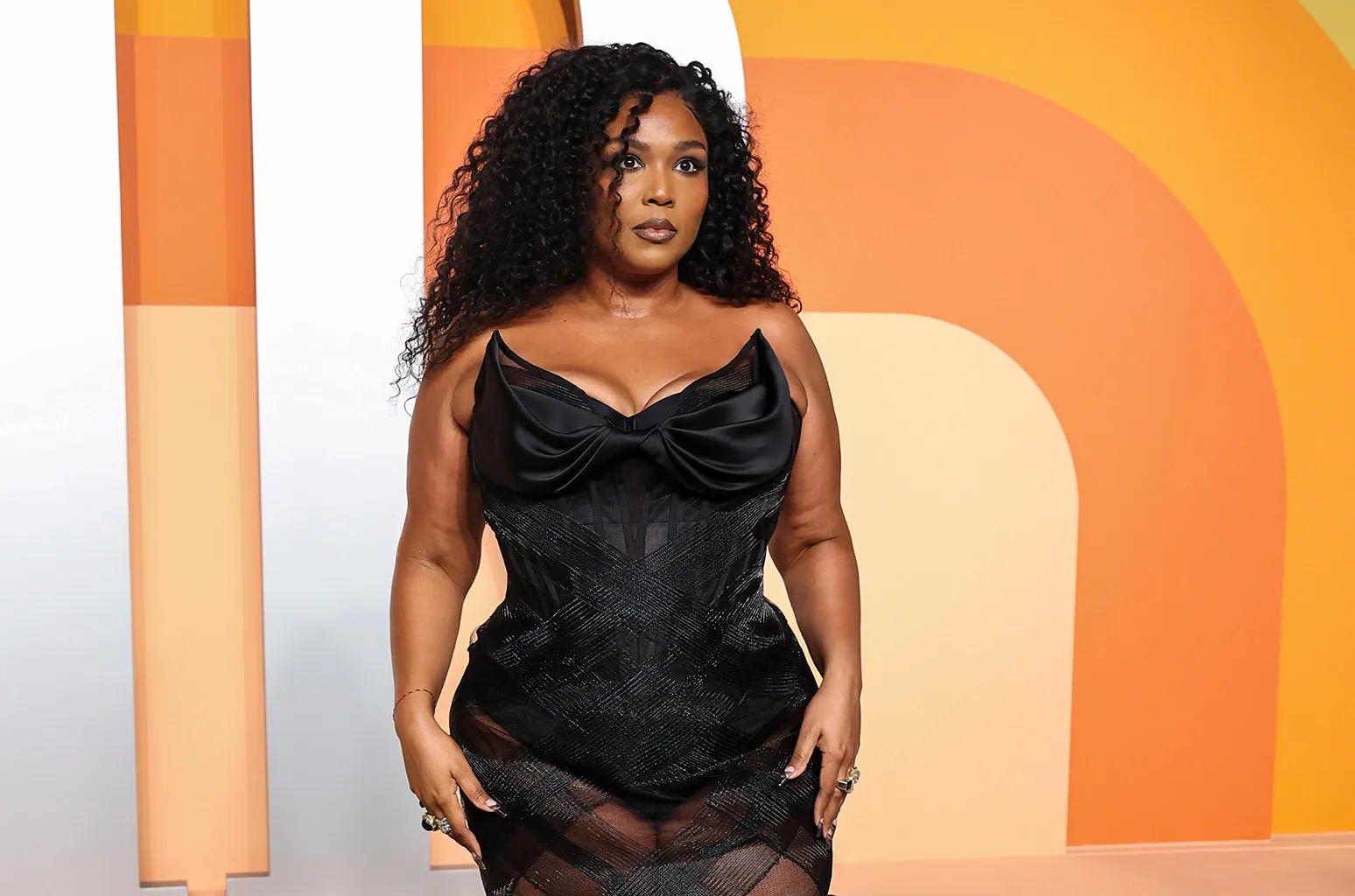
The digital landscape of the 2020s was promised to be a great equalizer—a boundless, democratic utopia where artists could connect directly with their audiences without the interference of traditional corporate gatekeepers. Fast forward to May 2026, and that utopian vision has been replaced by a new, invisible set of overlords: social media algorithms. At the forefront of exposing this digital disillusionment is none other than Melissa Jefferson, universally known and beloved as Lizzo.
In a fiery, nearly four-minute TikTok video posted in mid-May 2026, the four-time Grammy winner pulled back the curtain on the modern music industry’s most insidious open secret. She addressed a systemic issue that extends far beyond her own career, warning that algorithmic suppression is fundamentally “destroying the music industry.” Her critique is not merely the venting of an aggrieved celebrity; it is a profound analysis of how machine learning models, engagement metrics, and non-chronological feeds are strangling the lifeblood of music marketing.
In this Merged Insight exclusive, we dive deep into Lizzo’s allegations of algorithmic suppression, the shifting paradigms of digital marketing, the inherent biases embedded in artificial intelligence, and how, despite the code working against her, Lizzo’s superfluous successes continue to prove that true cultural impact cannot be shadowbanned.
The Death of the Chronological Timeline
To understand the magnitude of Lizzo’s frustration, we must first examine the architecture of modern social media. Back in the halcyon days of the internet—which, as Lizzo astutely pointed out, was “maybe even just five years ago”—social media feeds operated on a chronological basis. If an artist posted an update, a tour date, or an album cover, the fans who followed them saw it in real-time. It was a linear, predictable, and functional method of communication.
Today, platforms operate on highly complex, opaque recommendation engines. These algorithms are designed with a singular, ruthless goal: user retention. They do not care about an artist’s promotional schedule; they care about keeping eyes glued to the screen for an extra millisecond.
“Because if your algorithm is super serving you things out of order of when they’re happening, then the general public has no idea when music is actually coming out.” — Lizzo
This non-chronological chaos has created an environment where traditional album promotion is virtually impossible. Lizzo’s highly anticipated third studio album, Bitch, is slated for release on June 5, 2026. Yet, as she starkly noted, a massive portion of the public remains entirely unaware of its impending arrival. The digital ecosystem is so saturated, and the feeds are so heavily curated by AI, that crucial announcements are buried beneath an avalanche of viral ephemera.
Lizzo highlighted a deeply troubling metric to illustrate her point: she maintains a private social media page with over 280,000 dedicated followers. These are people who explicitly opted in to follow her most personal, direct updates. They want to buy her music, they want to attend her tours, and they are actively trying to engage. Yet, even on a private, hyper-curated page, her posts are not hitting their algorithms. When an artist cannot even reach the fans who have unequivocally raised their hands and asked to be spoken to, the system is fundamentally broken.
Decoding “Racist and Fatphobic” Algorithms
Perhaps the most explosive and vital component of Lizzo’s critique was her caption regarding the nature of these recommendation engines. She bluntly stated:
“Don’t get me started on how the algorithm is racist & fat phobic.”
To the uninitiated, attributing human prejudices like racism and fatphobia to lines of computer code might sound hyperbolic. However, data scientists, AI ethicists, and organizations like the OECD (which recently logged Lizzo’s complaints as a notable AI hazard regarding fairness and economic disruption) have long warned about this exact phenomenon.
Algorithms are not neutral arbiters of quality; they are mirrors reflecting the biases of their creators and the historical prejudices of the societies that generate their training data.
- Engagement-Based Bias: If a platform’s algorithm learns that content featuring thin, white creators receives fractionally longer watch times or more favorable engagement from a specific demographic, the machine learning model will autonomously prioritize that aesthetic.
- Content Moderation Discrepancies: It has been widely documented that automated moderation tools frequently flag the bodies of plus-size, Black, and brown creators as “inappropriate” or “violating community guidelines,” while identical clothing or behavior from smaller, white creators goes unpunished.
- The Echo Chamber Effect: By limiting the reach of creators who defy conventional, Eurocentric beauty standards, the algorithm effectively marginalizes their voices, pushing them out of the mainstream algorithmic currents and into digital cul-de-sacs.
Lizzo is forcing the industry to confront an uncomfortable truth: the code behind our screens has power, and it is actively shaping cultural narratives by deciding who is granted visibility and who is digitally suppressed.
Virality vs. Viability: The Grand Illusion
Another piercing insight from Lizzo’s 2026 address is the growing disconnect between digital virality and actual, tangible success in the music business.
“Virality does not equal album sales,” Lizzo warned. “There are super viral people whose albums just don’t sell as much as their fame. Their albums don’t match the amount of views they have on their posts.”
We are living in an era of flash-in-the-pan internet fame, where a 15-second audio snippet can generate billions of views on TikTok or Instagram Reels, transforming an unknown artist into an overnight sensation. However, this algorithmic virality is notoriously fickle. It trains audiences to consume music as background noise for memes and challenges, rather than as cohesive bodies of work requiring emotional investment.
When the algorithmic winds shift, these viral artists often find that their millions of followers do not translate into concert ticket sales, merchandise purchases, or album streams. By contrast, artists attempting to build sustainable, long-term careers through traditional marketing—dropping packaging, revealing album art, doing morning shows—are penalized by platforms that only reward rapid-fire, high-dopamine content.
Lizzo noted that peers in the music industry have reached out to thank her privately for voicing these concerns, admitting that they are “too scared to say it.” The fear of biting the digital hand that feeds them has kept many artists silent, but Lizzo, ever the trailblazer, is willing to take the heat to spark a necessary industry-wide conversation.
The Superfluous, Unstoppable Successes of Lizzo
Despite the algorithm’s invisible barriers, Lizzo was quick to remind the trolls that she is not complaining out of bitterness or failure. “I’m a big girl, very successful woman, I have a loyal fan base,” she stated with characteristic confidence.
Indeed, framing Lizzo’s career as anything less than an absolute juggernaut would be a disservice to reality. When we speak of her “superfluous successes,” we mean it in the most awe-inspiring sense of the word: her achievements are overflowing, excessive, and brilliantly larger-than-life. She has built an empire that no shadow ban can dismantle.
To truly understand why Lizzo can afford to call out the tech giants, one must look at the mountain of accolades she sits upon:
1. Gramophonic Glory
Lizzo is a four-time Grammy Award winner. Her ability to seamlessly blend R&B, Hip-Hop, Pop, and Soul has resulted in some of the most defining anthems of the modern era. Tracks like “Truth Hurts,” “Good As Hell,” and “About Damn Time” didn’t just top the Billboard charts; they became inescapable cultural mantras. Her 2022 album, Special, peaked at No. 2 on the Billboard 200, proving her immense staying power.
2. The Yitty Empire
Refusing to be marginalized by a fashion industry that historically ignored plus-size women, Lizzo took matters into her own hands by launching Yitty—a revolutionary, shapewear and lifestyle brand.
- Inclusivity First: Yitty offers sizes ranging from 6X to XS, completely disrupting the market.
- A Statement of Defiance: The brand is not just about garments; it is a physical manifestation of her body-positive ethos, proving that radical self-love can be a wildly profitable business model.
3. Television and Streaming Triumphs
Lizzo’s charisma cannot be contained within an audio file. She has conquered the visual medium with the same ferocity as she did the sonic one.
- Emmy Winner: She took home a Primetime Emmy Award for her unscripted Amazon series, Lizzo’s Watch Out for the Big Grrrls, effectively dismantling the toxic tropes of reality television while providing a platform for plus-size dancers.
- Cultural Omnipresence: Whether she is dropping a spectacular Netflix special, lighting up morning show interviews with Gayle King, or bringing the house down by playing her signature flute while roasting Kevin Hart, Lizzo’s cultural footprint is ubiquitous.
4. Unapologetic Resilience
Perhaps her most superfluous, abundant success is her unyielding resilience. Despite facing immense legal scrutiny regarding former backup dancers—allegations she vehemently denies, opting to fight them in court rather than settling because “the truth is less salacious than the headlines”—and enduring unrelenting vitriol from online trolls, Lizzo remains defiant. She continues to advocate for marginalized artists, utilizing her massive platform to shine a light on the structural inequities of the digital age.
Conclusion: Art Above the Algorithm
The battle between human artistry and algorithmic efficiency is the defining conflict of the modern entertainment industry. Lizzo’s vocal opposition to the non-chronological, engagement-obsessed, and intrinsically biased systems that govern our digital lives is a clarion call for change. It forces us to ask critical questions about who really controls the narrative of pop culture: the artists creating the music, the fans consuming it, or the invisible lines of code standing between them?
Algorithms may be able to manipulate timelines, hide promotional posts, and artificially inflate the virality of the mundane. They might harbor the latent racisms and fatphobias of the societies that programmed them. But as Lizzo has proven time and time again, algorithms cannot synthesize soul. They cannot program the electric, visceral connection an audience feels when a generational talent steps onto a stage.
As the world awaits the release of Bitch on June 5th, one thing is abundantly clear: Lizzo’s overflowing, superfluous successes are a testament to the fact that while the system may be working against her, she is simply too undeniable to be silenced.


Leave a Reply