
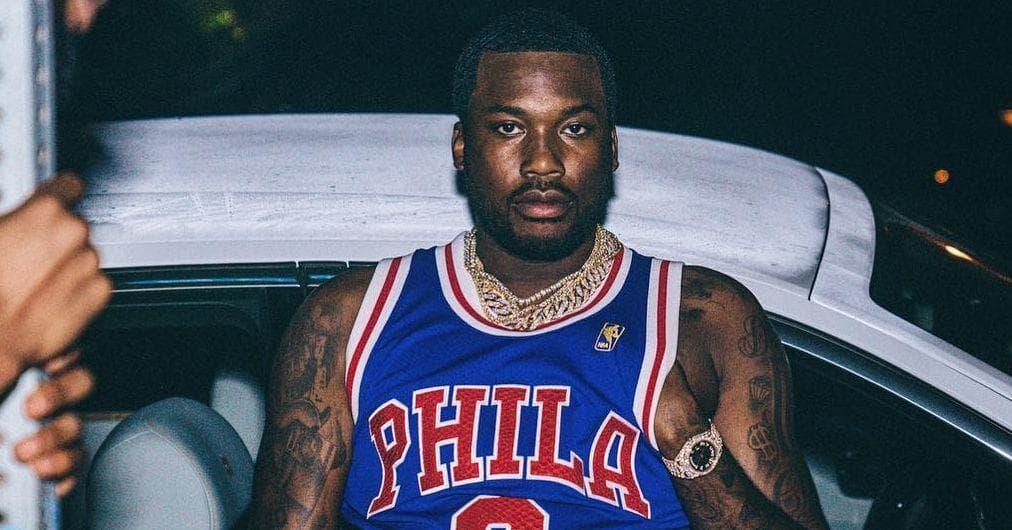
Philadelphia. The City of Brotherly Love. But when it comes to Hip-Hop, it’s a city of unapologetic grit, profound lyricism, and an unyielding competitive spirit. From the boom-bap era to the DVD smack-talk days and straight into the trap-infused present, Philly has always been a proving ground. It’s a city where you don’t just get handed a mic; you have to earn it, often on a street corner, dodging both literal and lyrical bullets.
This isn’t just about record sales or radio hits. To be considered one of the best from Philly, an artist needs a specific cocktail of attributes: the raw storytelling ability to paint the block’s realities, the technical prowess to out-rap anyone in the room, and that undeniable, hard-won Philly swagger.
Here is the definitive ranking of the top 10 Philadelphia rappers of all time.
10. Tierra Whack

Tierra Whack is the vanguard of Philly’s eccentric, wildly creative future. She defies categorization, blending surrealism, razor-sharp wit, and an effortless flow that can pivot from sing-song melody to rapid-fire bars in a breath.
While many Philly legends built their names on gritty street tales, Whack built hers on unparalleled imagination. Her 2018 audiovisual project, Whack World, was a masterclass in concise brilliance, proving she could say more in one minute than most rappers can in a full track. She represents the city’s capacity for innovation, proving that Philly grit can also manifest as fearless artistic individuality.
9. Bahamadia

Before the current wave of phenomenal female MCs, there was Bahamadia. A true pioneer, she emerged in the mid-90s with a flow that was smooth, effortless, and intellectually sharp.
Her debut album, Kollage (1996), is a cornerstone of conscious Hip-Hop. Bahamadia didn’t need to shout to be heard; her intricate wordplay and laid-back delivery demanded attention. She was a crucial voice in the burgeoning neo-soul and alternative Hip-Hop movements, proving that Philly’s sound was as diverse as its neighborhoods. Her influence is etched into the DNA of every lyrical MC who followed.
8. Cassidy

If you want to talk about punchlines, you have to talk about Cassidy. “The Hustla” came up through the unforgiving Philly battle rap circuit, an arena that demands quick wit and thick skin.
Cassidy’s technical ability is undeniable. His wordplay is dense, packed with metaphors and double entendres that require rewinds to fully catch. While his commercial peak gave us club anthems like “Hotel,” it’s his legendary freestyles and battle performances that cement his legacy. He’s the rapper your favorite rapper is afraid to go bar-for-bar against.
7. Eve

“The First Lady of the Ruff Ryders” brought an unparalleled blend of ferocity and mainstream appeal. Eve wasn’t just a great female rapper; she was a dominant force in an era dominated by hyper-masculine crews.
Her aggressive delivery and undeniable charisma made tracks like “Let Me Blow Ya Mind” and “Who’s That Girl?” global anthems. Eve possessed the rare ability to command a hardcore cipher while simultaneously ruling the Billboard charts. She proved that you could take the Philly attitude to the highest echelons of pop culture without losing an ounce of authenticity.
6. Schoolly D

You cannot discuss the history of Gangsta Rap without starting with Schoolly D. He is the architect. Before N.W.A., before Ice-T, Schoolly D was laying down the blueprint with tracks like “P.S.K. What Does It Mean?”
His sound was raw, unpolished, and completely unapologetic. He brought the harsh realities of gang life in Philadelphia directly to wax, using heavy drum machines and a booming, authoritative voice. His influence is foundational; he didn’t just put Philly on the map, he helped create a subgenre that would dominate Hip-Hop for decades.
5. Freeway

The Philadelphia Freeway. With his distinctive, high-pitched, strained delivery and unrelenting energy, Freeway is the physical embodiment of Philly hustle.
As a core member of State Property and Roc-A-Fella Records, Freeway delivered classic street anthems like “What We Do.” His music feels urgent; every bar is delivered as if his life depends on it. He brought the soulful, gritty essence of North Philly to the mainstream, and his passion and authenticity make him a beloved figure in the city’s musical history.
4. The Fresh Prince

Dismissing Will Smith’s rap legacy because of his Hollywood success is a critical error. The Fresh Prince, alongside DJ Jazzy Jeff, achieved things in Hip-Hop that had never been done before.
He was the first rapper to win a Grammy. He proved that Hip-Hop could be incredibly successful without relying on profanity or street narratives. His storytelling ability on tracks like “Parents Just Don’t Understand” and his effortless, charismatic flow were undeniably elite. He brought Philadelphia Hip-Hop into living rooms around the world, acting as a vital ambassador for the culture.
3. Beanie Sigel

The Broad Street Bully. Beanie Sigel is the voice of Philadelphia’s darkest, most harrowing corners. His music isn’t just gritty; it’s visceral.
Signed to Roc-A-Fella, Beans became the label’s enforcer, but his true power lay in his vulnerability. He had an uncanny ability to articulate pain, betrayal, and street politics with poetic precision. Albums like The Truth and The B. Coming are masterclasses in emotional weight. When Beanie Sigel raps, you feel the cold wind of a Philly winter; you feel the weight of survival.
2. Meek Mill

Meek Mill is the modern-day sound of Philadelphia. He is the underdog who screamed his way to the top, turning the raw energy of the DVD battle era into stadium-shaking anthems.
From the Dreamchasers mixtapes to his defining album, Dreams and Nightmares, Meek’s high-octane delivery is unmatched. The intro to Dreams and Nightmares is universally recognized as one of the greatest Hip-Hop intros of all time—a chaotic, triumphant crescendo of pure emotion. Meek represents the relentless pursuit of success against all odds, making him a deeply resonant figure not just in Philly, but globally.
1. Black Thought

There is no debate. Tariq Trotter, better known as Black Thought, is not just the greatest rapper from Philadelphia; he is arguably the greatest lyricist in the history of Hip-Hop.
As the frontman for The Roots, Black Thought has spent over three decades delivering flawless, complex verses. His vocabulary is staggering, his breath control is superhuman, and his consistency is unparalleled. Whether he is rhyming over a live band or dismantling a Funkmaster Flex freestyle for ten unbroken minutes, Black Thought operates on a level of intellectual and technical mastery that leaves peers in awe. He is the gold standard of MCing.
Philadelphia’s Hip-Hop history is a testament to the city’s complex character. It’s a city that produces pioneers, battle-tested warriors, and unparalleled lyricists. These ten artists represent the very best of that legacy, cementing Philly’s status as a permanent, powerful force in the culture.


Leave a Reply