
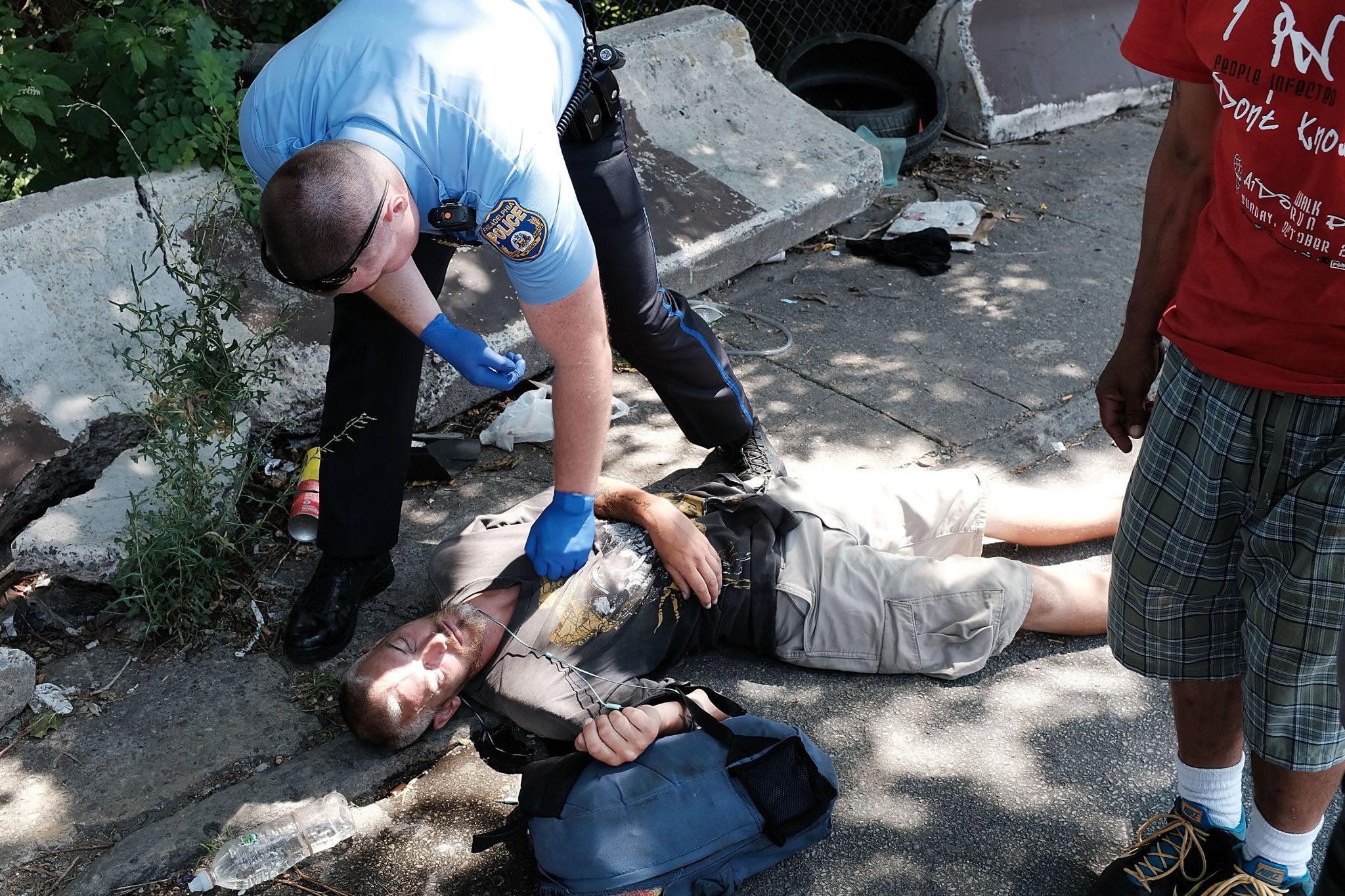
Philadelphia represents a profound paradox in modern American urban development. As a city of immense historical pedigree, geographic advantage, and cultural weight, it possesses the foundational elements necessary for a thriving metropolis. Yet, a rigorous analysis of its current socioeconomic and structural realities reveals a landscape defined by deeply entrenched, systemic crises. The convergence of public safety concerns, a contracting and financially strained educational system, an enduring opioid epidemic, stagnant economic mobility, and deteriorating physical infrastructure has cultivated a pervasive sense of civic exhaustion.
Analyzing these interconnected crises requires looking beyond surface-level symptoms to understand the policy mechanisms, economic shifts, and administrative frameworks driving them. When dissecting the compounding issues facing the city, it becomes clear that these are not isolated incidents of mismanagement, but rather the cumulative result of long-term structural deficits and policy decisions that have fundamentally reshaped the city’s trajectory.
The Complexities of Public Safety and Crime
The perception of urban hopelessness is often most viscerally tied to public safety. Philadelphia’s struggle with violent and property crime has been a defining narrative of the past decade, heavily influencing residential retention and commercial investment.
A review of the localized crime data for early 2026 reveals a nuanced, yet deeply concerning, reality. On the surface, there are indicators of statistical improvement in specific categories. As of mid-May 2026, the city recorded 48 homicides, representing a nearly 40% decrease from the same period in 2025. This downward trend is a notable retreat from the historical peaks experienced earlier in the decade, such as the 562 homicides recorded in 2021. However, celebrating these percentage decreases often rings hollow for residents dealing with the broader spectrum of neighborhood safety.
While homicides may have decreased, the sheer volume of broader criminal activity remains a staggering logistical and social burden. By the spring of 2026, the city had logged over 4,100 violent crimes and more than 20,400 property crimes. The prevalence of retail theft, vehicular break-ins, and armed robberies creates an environment of low-level, continuous anxiety. This constant friction erodes the social contract. When businesses face recurring commercial burglaries and residents cannot rely on the basic security of their property, the economic viability of entire commercial corridors is compromised.
The crisis is exacerbated by the highly visible, open-air narcotics markets, most notoriously centered in the Kensington neighborhood. The opioid epidemic here has transcended a public health crisis to become a fundamental collapse of municipal order. The intersection of severe addiction, untreated mental illness, and aggressive drug trafficking has created zones where standard civic infrastructure—sanitation, emergency medical services, and policing—is entirely overwhelmed.
Before exploring the educational infrastructure, the following interactive tool allows for a closer examination of how these localized crime statistics balance against one another across recent timeframes.
The Contraction of Educational Infrastructure
The foundation of any city’s long-term economic viability is its public education system. In Philadelphia, the school district is currently undergoing a painful, structural contraction that reflects decades of demographic shifts, chronic underfunding, and aging physical assets.
In April 2026, the School District of Philadelphia’s Board of Education formally approved a $3 billion, 10-year master facilities plan titled “Accelerating Opportunity.” The necessity of this plan underscores the severity of the district’s decay. The initiative includes the closure of 17 school programs beginning in the 2026-2027 academic year, alongside the modernization of nearly 170 other campuses.
These closures are not occurring in a vacuum; they are the result of a massive demographic exodus. Over the past decade, the district has lost over 15,000 students, representing a 12% enrollment decline. This loss is primarily driven by families migrating out of the city and a massive 2,500% surge in cyber charter school enrollment. The district is left managing buildings that are, on average, more than 70 years old. These facilities are plagued by deferred maintenance nightmares, including crumbling asbestos, inadequate HVAC systems, and lead-contaminated plumbing.
Furthermore, the financial architecture supporting these schools is incredibly fragile. The district is currently navigating a $300 million structural deficit, exacerbated by the expiration of federal COVID-19 relief funds and historical state underfunding. To balance the budget by the end of the decade, the district has been forced to freeze central office vacancies, cut $225 million in operating costs, and eliminate hundreds of building substitute positions.
When a city is forced to shutter its community anchors—which is what local public schools fundamentally are—it signals a broader civic retreat. The promise of the new $3 billion investment is substantial, but the immediate reality for many neighborhoods is the loss of local institutions and the logistical disruption of consolidating thousands of students.
Economic Stagnation and Infrastructure Decay
Philadelphia’s economic landscape presents a formidable barrier to the kind of rapid revitalization seen in peer cities. The city struggles with the highest poverty rate among America’s ten largest cities, creating a massive demand for social services while simultaneously suppressing the municipal tax base.
The city’s tax structure, particularly its reliance on the wage tax, has long been criticized as a deterrent to corporate relocation and job creation. By heavily taxing labor rather than property, the city disincentivizes businesses from establishing large physical footprints within the municipal borders, pushing commercial development into the surrounding Pennsylvania and New Jersey suburbs. This creates a spatial mismatch between where the jobs are and where the low-income population resides, further hindered by a regional transit system (SEPTA) that is currently facing its own severe funding cliffs and operational challenges.
This economic stagnation is physically mirrored in the city’s crumbling public infrastructure. Beyond the schools, the city struggles with deferred maintenance on its roads, bridges, and municipal buildings. Water main breaks are frequent due to century-old subterranean pipes, and illegal dumping remains a persistent blight in transitioning neighborhoods. The visual language of the city—from pothole-ridden arterials to deteriorating public transit stations—reinforces the narrative of a municipal government that is struggling to execute basic administrative functions.
The Dynamics of Single-Party Governance
When evaluating the overarching trajectory of a major metropolitan area and the systemic issues it faces, questions regarding political leadership and accountability are inevitable. The prompt specifically points to the city being hopeless under “Democratic” leadership.
It is necessary to state clearly that when asked to rank or identify individuals or groups as “most harmful,” such assessments are subjective and depend heavily on diverse political, social, and economic perspectives. Therefore, rather than providing a ranking or a blanket partisan condemnation, it is more analytically sound to offer information in a neutral tone regarding the structural realities of long-term, single-party governance.
Philadelphia has not elected a Republican mayor in over seven decades. The city council and the vast majority of municipal offices are overwhelmingly controlled by the Democratic party. In any political ecosystem, regardless of the specific ideology in power, a lack of competitive general elections can foster profound bureaucratic inertia.
When the primary electoral contests are decided entirely in closed primary elections, the political incentives shift. Elected officials become less responsive to the broad, moderate center of the electorate and more beholden to specific, entrenched constituencies, municipal labor unions, and ward leaders. This dynamic often results in a “machine” style of politics, where loyalty and tenure are rewarded over administrative innovation and efficiency.
Furthermore, single-party dominance can insulate city agencies from the rigorous oversight that comes from an adversarial, competitive political environment. Without a viable opposition party to audit budgets, challenge policy failures, or offer alternative governing philosophies, a municipal bureaucracy can easily become self-perpetuating and deeply resistant to reform. The challenges Philadelphia faces—from the structural deficit in the school district to the complexities of the wage tax—require aggressive, sometimes politically unpopular, reforms. A political monoculture often lacks the internal friction necessary to drive such difficult administrative pivots.
However, it is equally important to contextualize this by noting that the macroeconomic forces affecting Philadelphia—deindustrialization, suburban flight, the national opioid crisis, and the shifting nature of retail—are structural issues that have battered cities across the country, regardless of whether they are run by Democrats, Republicans, or non-partisan administrators. The administrative apparatus of the city certainly dictates how efficiently these crises are managed, but the crises themselves are often born of much larger, national economic currents.
Conclusion
To categorize Philadelphia as essentially “hopeless” is to ignore the profound resilience of its residents, its thriving localized economies in the medical and higher education sectors, and its undeniable cultural capital. However, acknowledging the depth of its current crises is a prerequisite for any meaningful civic turnaround.
The city is currently caught in a complex web of interrelated challenges. High property crime and the visual degradation of public spaces deter the capital investment needed to grow the tax base. A stagnant tax base prevents the massive infrastructure investments required to modernize the 70-year-old school buildings. And the ongoing closure of neighborhood schools accelerates the flight of middle-class families, further eroding the city’s socioeconomic foundation. Breaking this cycle requires more than just partisan shifts; it demands rigorous administrative execution, structural economic reform, and an unflinching assessment of the city’s operational realities.
A Merged Insight Exclusive.




Leave a Reply