
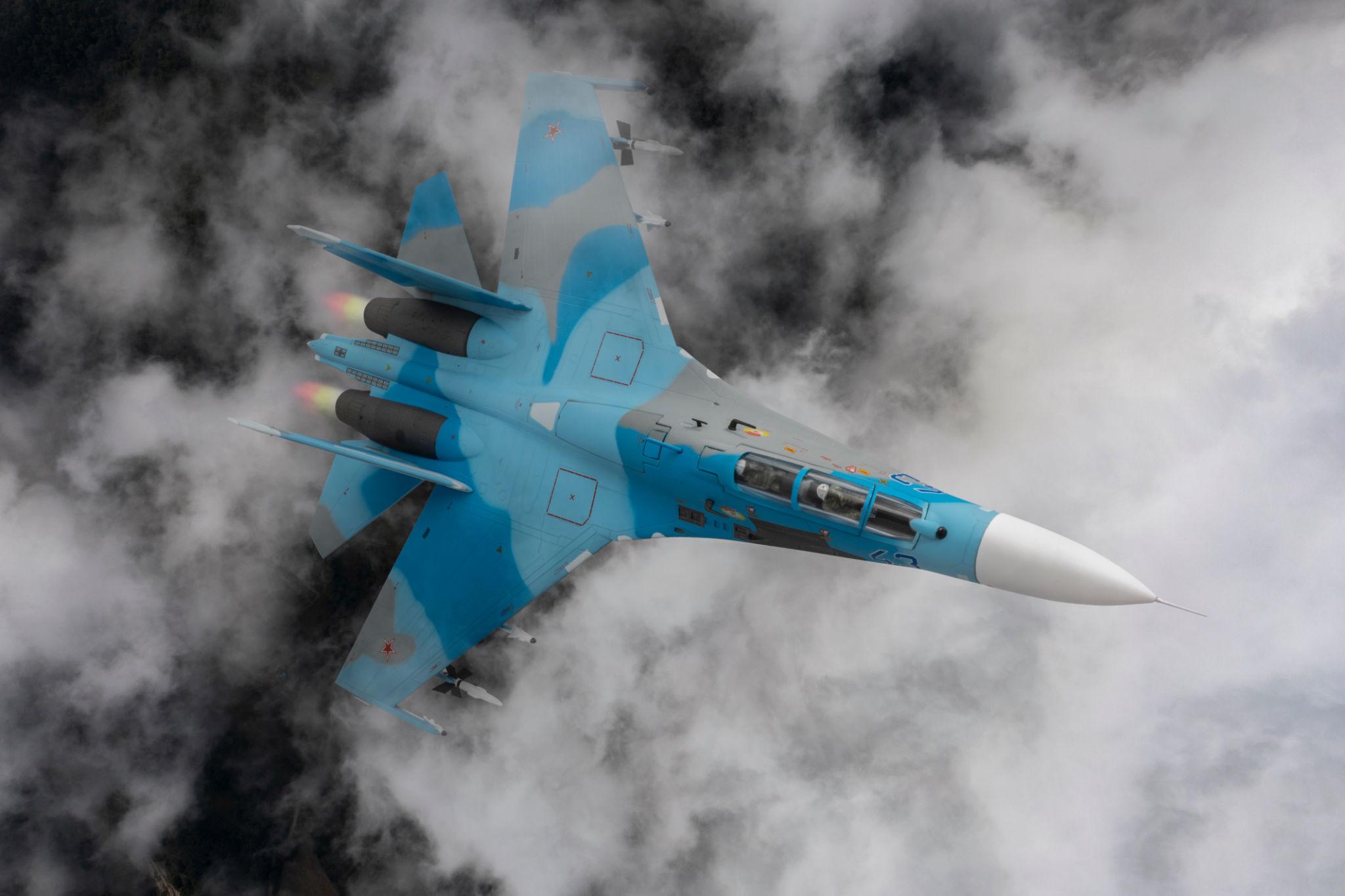
The Russia-Ukraine War has become one of the defining geopolitical conflicts of the 21st century. What began in February 2022 as a stunning invasion intended to quickly destabilize Kyiv instead evolved into a brutal war of attrition that reshaped global alliances, military doctrine, economics, energy markets, and the psychological outlook of the modern world.
Few expected Ukraine to withstand the initial Russian assault. Even fewer expected the conflict to continue years later, with both nations still standing, bloodied but unbroken. The war exposed weaknesses in modern assumptions about warfare while simultaneously revealing the astonishing resilience of national identity.
Ukraine proved itself far tougher than the Kremlin anticipated. Russia, despite staggering casualties and relentless sanctions, demonstrated that it still possessed immense industrial endurance and military depth. Neither nation collapsed. Neither surrendered. Instead, the world watched two Eastern European powers engage in one of the deadliest wars since World War II.
The tragedy of the conflict lies not only in its death toll, but in the reality that both nations share deep historical, cultural, linguistic, and religious ties. What emerged was not merely a territorial dispute. It became a collision of identity, sovereignty, security fears, and competing visions of the post Soviet world.
The Beginning: Shockwaves Across Europe
When Russian forces crossed into Ukraine in February 2022, many analysts believed Kyiv would fall within days. Russian armored columns advanced rapidly toward the Ukrainian capital while missile strikes hit infrastructure and military installations across the country.
Russian President Vladimir Putin framed the invasion as a security necessity tied to NATO expansion and Russian regional influence. Ukraine and its Western allies viewed it as an unjustified act of aggression against a sovereign nation.
What followed shocked the world.
Instead of collapsing, Ukraine rallied. President Volodymyr Zelenskyy transformed from a former comedian and political outsider into a wartime leader whose image became synonymous with resistance. His refusal to flee Kyiv during the opening phase of the invasion galvanized Ukrainian morale and inspired international support.

Ukraine’s defense in the Battle of Kyiv fundamentally altered the trajectory of the war. Russian units encountered logistical failures, fierce urban resistance, drone attacks, and anti-tank ambushes. The initial Russian strategy of rapid decapitation failed.
That failure changed everything.
Zelensky’s Leadership Under Fire
Zelensky emerged as one of the most recognizable wartime leaders of the modern era. His leadership style relied heavily on visibility, emotional messaging, and international diplomacy.
Daily video addresses from Kyiv became symbolic acts of defiance. Wearing military-style clothing rather than formal suits, Zelensky projected the image of a leader fully embedded with his people during a national crisis.
Critics accused him of becoming too reliant on Western military support and media symbolism. Yet supporters argued his greatest strength was his ability to maintain Ukrainian morale during catastrophic conditions.
Under Zelensky’s leadership, Ukraine secured billions in military assistance, advanced air defense systems, intelligence sharing, and economic support from NATO-aligned nations. Ukraine’s survival as a functioning state is deeply tied to its diplomatic success.
Even Russia’s critics acknowledged that Ukraine likely would not have endured without a leadership structure capable of sustaining public confidence through years of missile attacks, blackouts, and frontline losses.
Putin’s Gamble and Russia’s Endurance
For Putin, the war became the most consequential decision of his political career.

Initially, Moscow appeared to underestimate Ukrainian resistance and overestimate the speed at which Russian forces could dominate the battlefield. However, while Russia stumbled early, it adapted over time.
Russia shifted toward a grinding war economy and leaned heavily into mass mobilization, artillery warfare, drone development, missile strikes, and industrial production. The Kremlin transformed the conflict into a long-term national struggle rather than a short operation.
Despite unprecedented sanctions from the West, Russia avoided total economic collapse. Energy exports, wartime manufacturing, and deeper ties with nations outside the Western bloc helped sustain the Russian state apparatus.
The war also revived old images of Russian endurance associated with the Soviet Union’s sacrifices during World War II. Russia historically absorbed staggering human losses during existential conflicts, and this war reinforced that perception.
Casualty estimates throughout the war became staggering. Various assessments in 2025 and 2026 suggested Russian casualties surpassed one million killed and wounded combined.
The numbers are horrifying.
Yet Russia continued fighting.
This demonstrated a grim reality about Russian strategic culture: Moscow has historically shown a willingness to sustain extraordinary losses if it believes national prestige or security interests are at stake.
Ukraine’s Extraordinary Resistance
Ukraine’s battlefield performance permanently altered military perceptions worldwide.
At the outset, many believed Ukraine would simply be overwhelmed by Russia’s larger military. Instead, Ukraine weaponized innovation, adaptability, and asymmetric tactics.
The Ukrainian military became one of the most technologically adaptive fighting forces in modern warfare. Commercial drones were modified into lethal battlefield weapons. Civilian tech infrastructure became integrated into military coordination. Precision strikes increasingly target Russian logistics and energy infrastructure deep behind the front lines.
Ukraine’s use of drones fundamentally transformed warfare.
Small first-person-view drones began hunting tanks, armored vehicles, trenches, and even individual soldiers with terrifying efficiency. Reuters described drones as dominant across the battlefield by 2026.
The war became a laboratory for 21st-century combat.
Rather than massive armored breakthroughs alone, the battlefield increasingly revolved around sensors, algorithms, satellite data, electronic warfare, and autonomous aerial systems.
Ukraine excelled in this environment.
Even under immense pressure, Ukrainian forces repeatedly demonstrated tactical ingenuity that frustrated Russian advances and forced Moscow into prolonged attritional warfare.
Russia’s Air Campaign and Missile Pressure
Russia maintained significant advantages in long-range missile capability, heavy artillery, and strategic bombardment.
Throughout the conflict, Russia launched repeated missile and drone attacks against Ukrainian infrastructure, energy systems, and urban centers. Recent attacks in 2026 demonstrated Moscow’s continued ability to unleash massive aerial barrages involving hundreds of drones and dozens of missiles simultaneously.
Russia has increasingly integrated hypersonic missile systems, such as the Oreshnik missile, into its strategic signaling.
The aerial dimension of the war revealed several key realities:
1. Air superiority became contested rather than absolute
Neither side achieved complete dominance of the skies. Instead, layered air defenses, drones, and electronic warfare created a dangerous and fragmented aerial environment.
2. Drones changed warfare forever
Cheap drones began destroying billion-dollar equipment. This dramatically altered the economics of war.
3. Missile warfare became psychological warfare
Russia’s strikes against energy infrastructure and cities aimed not only to damage military capability but also to exhaust civilian morale.
4. Ukraine adapted rapidly
Ukraine improved its drone manufacturing and strike capabilities to hit targets deep inside Russian territory. Analysts increasingly described Ukraine as gaining the initiative in the drone war by 2026.
Casualties and the Human Cost
The war’s casualty figures are difficult to verify precisely because both governments tightly manage military information. However, independent assessments paint a devastating picture.
Some 2026 estimates suggested combined Russian and Ukrainian casualties approached or exceeded 1.8 million total killed, wounded, or missing.
Russian casualties alone were estimated by some Western assessments to exceed 1.1 million.
Ukrainian military losses were also severe, with estimates ranging in the hundreds of thousands.
These statistics are not merely numbers.
Every casualty represents shattered families, ruined futures, amputated limbs, psychological trauma, and entire generations permanently altered by war.
Cities across Ukraine suffered catastrophic destruction. Russian border regions increasingly experienced drone attacks and instability as well.
The longer the war continued, the more both societies absorbed irreversible scars.
The Middle Phase: Attrition and Stalemate
By the middle years of the war, momentum became fluid.
Russia captured territory incrementally through relentless artillery and manpower pressure. Ukraine conducted counteroffensives and precision strikes that embarrassed Russian military leadership and damaged critical infrastructure.
Neither side achieved a decisive victory.
This stalemate became one of the defining characteristics of the war.
Russia retained enormous manpower reserves and industrial capacity. Ukraine retained superior flexibility, Western backing, and technological adaptation.
The battlefield increasingly resembled an industrial meat grinder mixed with futuristic drone warfare.
Trenches reappeared across Europe for the first time in generations. Soldiers endured mud, artillery bombardments, constant drone surveillance, and psychological exhaustion reminiscent of earlier world wars.
The conflict became both ancient and futuristic simultaneously.
Western Support and Ukrainian Survival
Ukraine’s survival depended heavily on Western support. Weapons systems from the United States and Europe fundamentally altered Ukraine’s defensive capabilities.
Air defense systems, intelligence support, artillery, drones, satellite data, and economic assistance kept Ukraine operational.
However, Ukraine also proved capable of developing increasingly domestic defense production systems over time. Analysts noted Ukraine had dramatically expanded drone manufacturing and long-range strike capability by 2026.
The war also tested NATO unity.
Some nations remained deeply committed to supporting Ukraine indefinitely. Others grew concerned about economic strain, escalation risks, and the possibility of endless war.
This created ongoing geopolitical tension surrounding aid packages, sanctions, and negotiation strategies.
Russia’s Strategic Persistence
Russia’s leadership appeared convinced that time favored Moscow.
The Kremlin likely calculated that Western fatigue, political division, economic pressures, and election cycles would gradually weaken international support for Ukraine.
At the same time, Russia adapted militarily.
Russian forces increasingly relied on drones, fortified defensive lines, electronic warfare, and sustained missile production. Despite immense casualties, Russian operational pressure remained relentless.
This persistence reflected Russia’s historical tendency toward long-duration warfare.
Many critics underestimated Russia’s willingness to absorb pain.
That proved to be one of the major strategic miscalculations of the conflict.
Information Warfare and Propaganda
The Russia-Ukraine War was also one of the most digitally mediated wars in history.
Social media became a battlefield.
Both sides utilized propaganda, viral imagery, battlefield footage, and online narratives to influence global perception.
Zelensky mastered media visibility. Putin leaned into state-controlled messaging, emphasizing Russian security interests and resistance against Western encroachment.
The information war often blurred truth and manipulation.
Narratives became weapons.
This conflict demonstrated how modern warfare extends far beyond physical battlefields into smartphones, livestreams, algorithms, and psychological influence campaigns.
The Economic and Global Impact
The war sent shockwaves through global markets.
Energy prices surged. Food supply chains were disrupted. Europe scrambled to reduce dependence on Russian energy exports. Military spending increased worldwide.
The conflict also accelerated discussions about:
- NATO expansion
- Drone warfare
- Cybersecurity
- Artificial intelligence in combat
- Energy independence
- Defense manufacturing
The war effectively ended many assumptions about post-Cold War stability in Europe.
Could There Be an Amicable Peace?
Eventually, all wars reach exhaustion.
The question facing both Russia and Ukraine is whether peace will arrive through negotiation, military stalemate, or catastrophic escalation.
An amicable clause between the two nations will require several difficult realities to be confronted.
Security Guarantees
Ukraine will likely demand credible long-term security guarantees to prevent future invasions.
Territorial Disputes
Territorial questions remain the single greatest obstacle. Neither side wants to appear weak domestically.
Economic Reconstruction
Ukraine’s reconstruction costs will be enormous and require sustained international involvement.
Sanctions and Diplomacy
Russia will seek relief from sanctions and reintegration into global markets.
War Fatigue
Perhaps most importantly, populations on both sides may eventually reach emotional exhaustion from endless casualties and uncertainty.
No nation can sustain generational trauma forever without consequences.
The Hopeful End
Despite the horror, there remains hope.
History shows that even bitter enemies can eventually negotiate coexistence. Europe itself was rebuilt after devastating wars that once seemed impossible to reconcile.
Russia and Ukraine are connected by geography, history, culture, and memory, whether either side wishes to acknowledge it or not.
Eventually, diplomacy must replace artillery.
The hopeful ending to this war will involve the total annihilation of either side. It will involve recognition that continued destruction benefits nobody.
Ukraine has proven its courage, resilience, and national identity beyond doubt.
Russia has demonstrated its endurance, industrial persistence, and refusal to collapse under pressure.
Both nations fought with extraordinary determination.
Both suffered immensely.
And both will carry the scars of this war for generations.
The world now watches and waits for the moment when leadership, exhaustion, and reality converge strongly enough to silence the drones, missiles, and artillery.
That moment cannot come soon enough.
For in the end, the greatest victory would not belong to Russia or Ukraine alone.
It would belong to peace itself.
A Merged Insight Exclusive.




Leave a Reply