
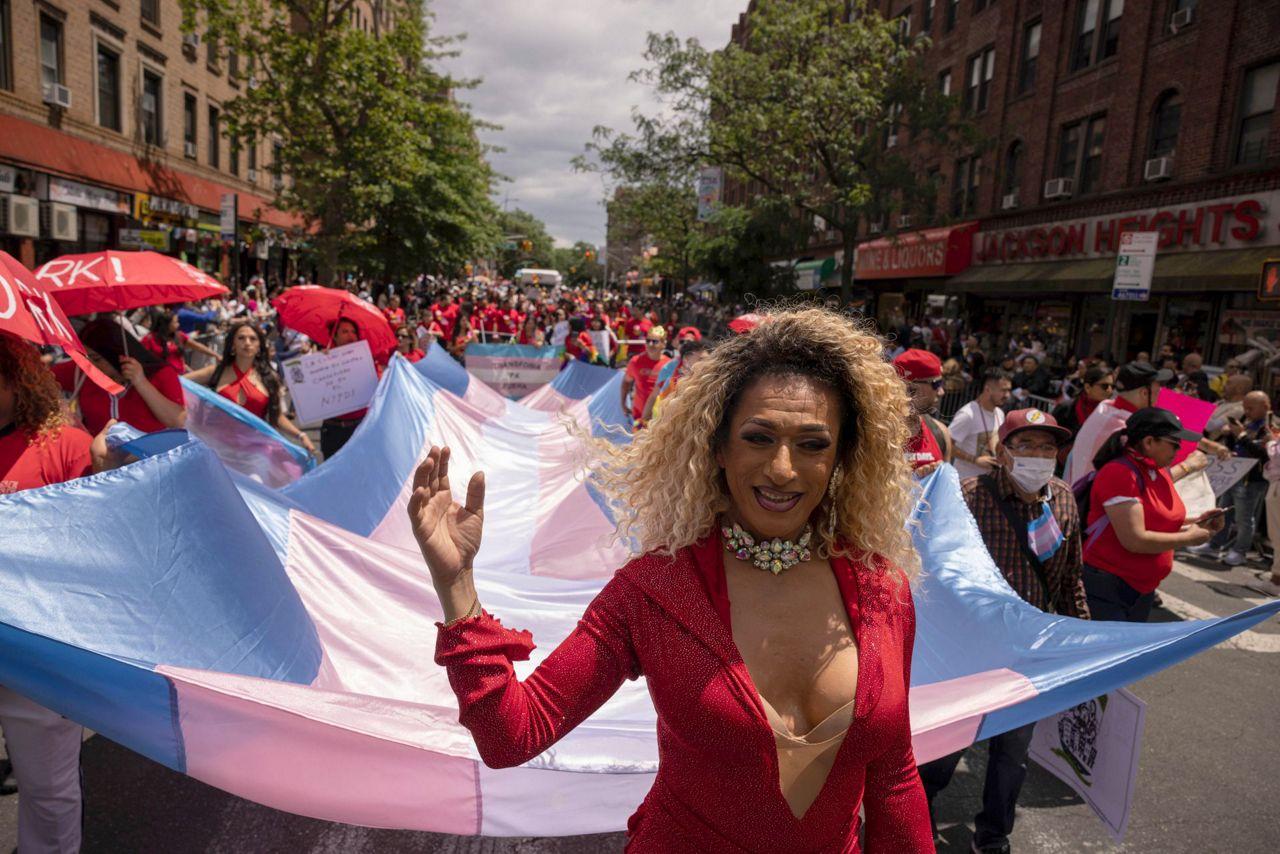
The journey of transgender women in the United States is a profound narrative of resilience, community building, and an ongoing quest for fundamental rights and recognition. In recent years, the visibility of transgender women has reached unprecedented levels, bringing with it both increased support and heightened scrutiny. Across the nation, a complex mosaic of healthcare access, legal protections, and community initiatives defines the daily realities for trans women. This exclusive report delves into the multifaceted support systems available, the critical gaps that remain, and the unyielding strength of a community forging its path toward equality.
Historical Context: Standing on the Shoulders of Giants
To understand the current landscape of support, one must recognize that transgender women have always been an integral part of American history, even when forced to the margins. From the mid-twentieth century, when Christine Jorgensen became one of the first highly visible transgender women to use her platform to advocate for empathy and understanding, to the pivotal roles played by Marsha P. Johnson and Sylvia Rivera at the Stonewall Inn, trans women have consistently been at the vanguard of the LGBTQ+ rights movement.
These pioneers laid the groundwork for the support structures we see today. They fought not just for the right to exist openly, but for access to healthcare, housing, and protection from violence. Their legacy is a reminder that the current push for comprehensive support is not a new phenomenon, but the continuation of a decades-long struggle for dignity and survival.
Healthcare and Gender-Affirming Care: A Critical Pillar of Support
At the core of supporting transgender women is access to comprehensive, empathetic, and gender-affirming healthcare. Medical consensus—supported by major institutions such as the American Medical Association and the American Psychological Association—recognizes gender-affirming care as medically necessary and lifesaving.
The Realities of Medical Access
For many trans women, finding healthcare providers who are knowledgeable about their specific needs remains a significant hurdle. Support in this arena comes in several forms:
- Specialized Clinics: Urban centers increasingly host LGBTQ+ health centers that provide hormone replacement therapy (HRT), surgical consultations, and routine care in an affirming environment.
- Telehealth Expansion: The rise of telehealth has become a vital lifeline, particularly for trans women living in rural or restrictive areas, allowing them to connect with affirming endocrinologists and mental health professionals from a distance.
- Mental Health Support: Transgender women face disproportionately high rates of anxiety, depression, and suicidality—often stemming from societal stigma, discrimination, and gender dysphoria. Support systems that offer trans-competent therapy and counseling are essential for fostering mental well-being and resilience.
Despite these support systems, access is heavily dependent on geography and socioeconomic status. Many trans women, particularly those uninsured or underinsured, face insurmountable financial barriers to accessing the care they need to live authentically.
Building Sanctuaries: Community and Safe Spaces
Beyond medical care, the psychological and emotional support derived from community networks is indispensable. Research consistently shows that social support from within a gender-focused network helps alleviate the isolation and societal pressures trans women frequently endure.
Shared Experiences and Healing
Studies exploring the inclusion of transgender women in broader women’s support services highlight a powerful truth: trans and cisgender women often share common experiences related to trauma, the necessity of safe spaces, and the ongoing pursuit of bodily autonomy.
- Peer-Led Support Groups: Across the USA, local community centers and online platforms host support groups specifically for trans women. These spaces allow individuals to share resources, navigate the complexities of transition, and find solidarity among those who understand their journey implicitly.
- Mentorship Across Generations: Older transgender women play a crucial role in supporting the youth. Organizations like SAGE (Advocacy and Services for LGBTQ+ Elders) highlight the stories of older trans women who live openly to keep the door open for the next generation. Their wisdom and survival serve as a beacon of hope for young trans women taking their first steps toward transition.
- Inclusive Women’s Spaces: There is a growing movement to ensure that women’s shelters, healthcare clinics, and community groups are explicitly trans-inclusive. While navigating the practical realities of these spaces requires ongoing dialogue and education, the goal is to foster environments where all women can heal and build resilience together.
The Legislative Battleground: Protection vs. Restriction
The level of institutional support a transgender woman experiences in the United States is currently largely dictated by her zip code. The legal landscape is deeply fractured, creating a stark contrast between states that mandate support and those that actively restrict it.
States of Refuge
Several states, including California, New York, and Colorado, have enacted robust anti-discrimination laws protecting trans individuals in employment, housing, and public accommodations. Furthermore, some states have passed “shield laws” designed to protect access to gender-affirming care for residents and those traveling from out of state, effectively positioning themselves as sanctuaries.
Systemic Challenges
Conversely, a record number of bills targeting transgender rights have been introduced in state legislatures across the country. These legislative efforts often focus on restricting access to gender-affirming healthcare, barring trans women from participating in female sports, and dictating bathroom usage. For trans women living in these states, support often means relying on grassroots organizations, legal defense funds, and mutual aid networks just to navigate daily life safely.
Intersectionality: The Unique Struggles of Trans Women of Color
Any discussion regarding the support of transgender women in the USA must address intersectionality. Transgender women of color, particularly Black and Latina trans women, face a compounding crisis of transphobia, racism, and often poverty.
- The Epidemic of Violence: Trans women of color bear the brunt of fatal violence against the transgender community. Support systems must prioritize physical safety, housing security, and economic empowerment to combat this crisis.
- Systemic Barriers: Employment discrimination and disproportionate rates of homelessness often push trans women of color into the margins of society.
- Targeted Support: Organizations led by and for trans people of color—such as the Marsha P. Johnson Institute and various local mutual aid funds—are critical. They provide direct financial assistance, advocate for systemic change, and create networks of survival that traditional institutions often fail to provide.
The Role of Allyship: How Society Can Elevate Support
Support for transgender women cannot rest solely on the shoulders of the LGBTQ+ community; it requires active, informed, and sustained allyship from the broader society. True support goes beyond passive acceptance and moves into tangible action.
Concrete Steps for Allies
- Education and Listening: Allies must take the initiative to educate themselves on transgender issues, terminology, and history, rather than relying on trans people to perform the exhausting labor of constant education.
- Advocating for Inclusive Policies: Whether in the workplace, schools, or local government, allies can use their privilege to push for policies that explicitly protect and support trans women.
- Financial Support: Donating to mutual aid funds, trans-led organizations, and legal defense groups directly impacts the material realities of trans women in need.
- Challenging Transphobia: Support requires speaking up when witnessing discrimination, transphobic rhetoric, or exclusionary practices, even when it is uncomfortable.
Conclusion: Resilience in the Face of Adversity
The support network for transgender women across the United States is a testament to the community’s sheer willpower and the growing empathy of a changing society. From the expansion of telehealth-affirming care to the deeply rooted networks of peer support and the sanctuary laws passed in progressive states, the scaffolding for a more inclusive future is being built.
Yet, the work is far from complete. As long as access to healthcare is challenged, legal rights remain inconsistent, and violence continues to threaten trans women of color, the push for comprehensive, unwavering support must continue. The true measure of society’s progress will be when every transgender woman in the United States, regardless of her race, income, or zip code, is afforded the safety, care, and respect necessary to not just survive, but to thrive.



Leave a Reply